7 AI Tools to Help You Manage Your Monthly Budget in 2025
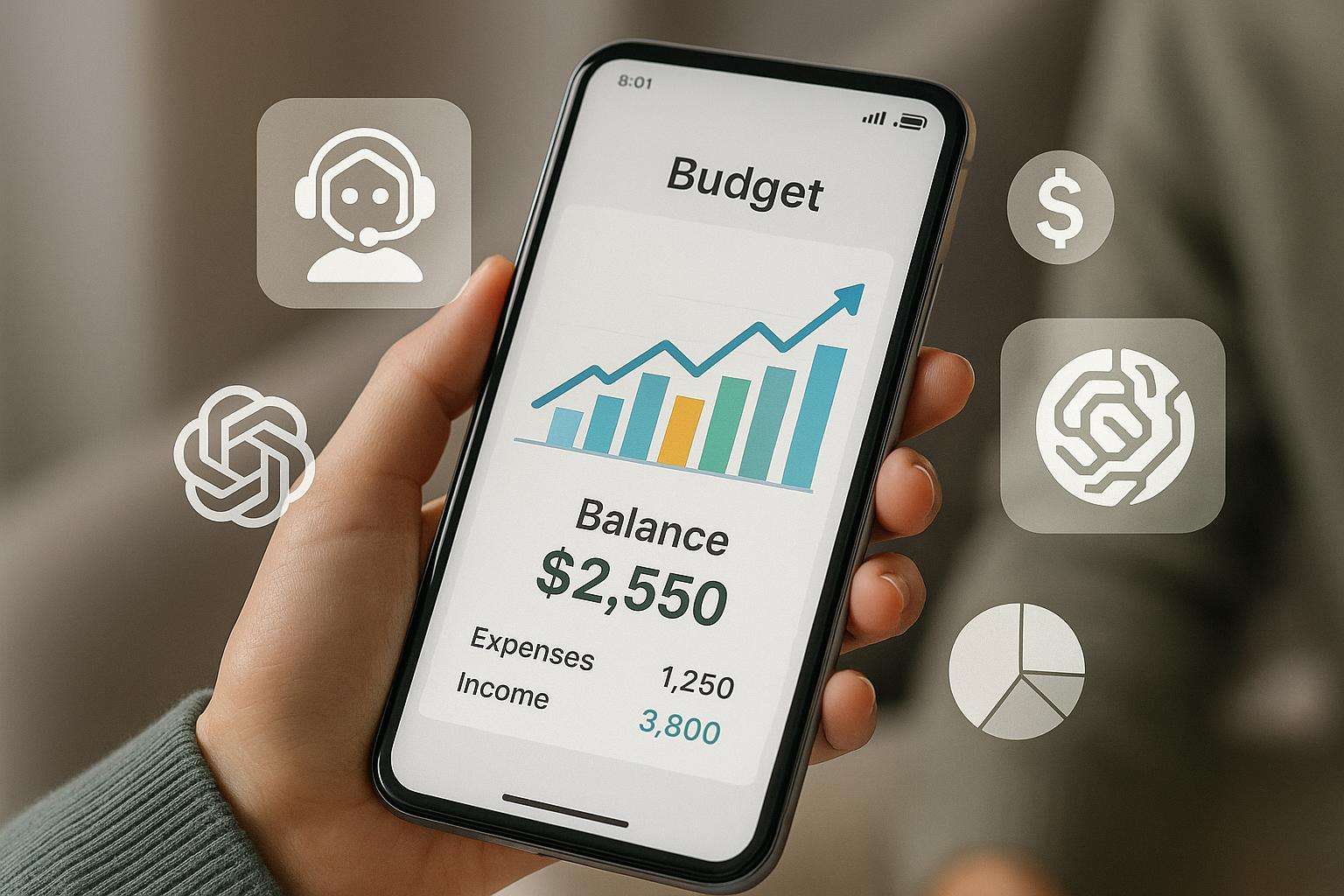
Discover 7 AI-powered tools that make budgeting easier in 2025. From Cleo to ChatGPT, learn how AI can simplify saving, spending, and investing.
Managing money has always been a challenge, but in 2025, we have something previous generations didn’t: artificial intelligence (AI). From budgeting apps that learn your habits to AI chatbots that act as a financial coach, automation is reshaping how ordinary people handle day-to-day finances.
If you’ve ever struggled with sticking to a budget, forgotten to pay a bill, or felt overwhelmed by spreadsheets, you’re not alone. Luckily, AI is here to make things easier, smarter, and even a little fun. In this post, we’ll explore seven powerful AI tools that can help you take control of your monthly budget in 2025 — and how to use them in real life.
Why AI Is Changing Personal Finance
Before we dive into the tools, it’s worth asking: why AI?
Unlike traditional budgeting apps that rely on manual inputs, AI systems:
- Learn from your spending habits: AI doesn’t just track your numbers — it predicts your behavior.
- Spot hidden patterns: AI can alert you when you’re overspending on takeout or subscriptions.
- Automate decisions: Some tools automatically move money to savings or investment accounts.
- Adapt to real life: Whether your income fluctuates (freelancers, gig workers) or expenses change, AI adjusts your plan.
In short, AI makes personal finance less about stress and spreadsheets, and more about smart, proactive decision-making.
1. Cleo – The AI Chatbot That Talks Money
Cleo is a financial assistant that feels less like an app and more like a friend who knows your money situation.
- How it works: You connect your bank accounts, and Cleo uses AI to analyze spending. Then, instead of dashboards, it gives you financial advice via chat — in plain, casual language.
- Why it helps: Many people hate dealing with numbers. Cleo turns budgeting into conversations, complete with GIFs, humor, and challenges.
- Real life use: You can literally text Cleo, “How much can I spend on fun this week?” and it’ll give you a number.
💡 Pro Tip: Use Cleo’s “roasting” feature — it humorously calls out bad spending habits, which can make awareness less painful.
2. Monarch Money – Your AI Financial Dashboard
Monarch Money brands itself as an “all-in-one financial command center.”
- How it works: The app aggregates all your accounts — checking, savings, credit cards, investments — and uses AI to generate forecasts.
- Why it helps: Instead of just looking at this month, Monarch shows you what your money will look like in 6 or 12 months if you keep current habits.
- Real life use: Perfect for families or couples who need to track shared goals, like saving for a home or vacation.
💡 Pro Tip: Use Monarch’s “what if” scenarios — e.g., “What if I increased my savings rate by 5%?” — to see future impact instantly.
3. PocketGuard – The “In-My-Pocket” Budgeter
Some apps overwhelm with features. PocketGuard keeps it simple.
- How it works: It calculates your “In My Pocket” number — what you can safely spend today after accounting for bills, goals, and necessities.
- Why it helps: Instead of feeling guilty after you spend, PocketGuard shows you how much you can spend guilt-free.
- Real life use: Great for people who live paycheck to paycheck or struggle with impulse spending.
💡 Pro Tip: Connect all recurring subscriptions. PocketGuard’s AI will flag forgotten or unused ones — and that alone can save you hundreds yearly.
4. YNAB (You Need a Budget) – Now with AI Coaching
YNAB has been popular for years, but in 2025, it’s integrating more AI features.
- How it works: YNAB uses a rule-based method (give every dollar a job). AI now helps forecast categories and makes personalized suggestions.
- Why it helps: It bridges discipline with automation. Instead of manual guesswork, AI points out where you’re drifting off plan.
- Real life use: Excellent for debt repayment strategies like the “snowball” or “avalanche” methods.
💡 Pro Tip: Link YNAB with your bank feed — AI will automatically categorize expenses, saving you time.
5. Plum – AI-Driven Savings & Micro-Investing
Plum is a UK/EU favorite, but similar apps are popping up globally.
- How it works: Plum studies your income and spending, then automatically moves “safe” amounts into savings or investments.
- Why it helps: You don’t have to decide how much to save. The AI does it without risking overdraft.
- Real life use: Ideal if you’ve always struggled to save consistently. It feels invisible but effective.
💡 Pro Tip: Activate Plum’s “round-up” feature, which invests spare change from everyday purchases into ETFs.
6. ChatGPT & AI Assistants – Your On-Demand Money Coach
Yes, even tools like ChatGPT can now be part of your budgeting arsenal.
- How it works: Upload or paste your bank statements, and AI can categorize spending, highlight overspending areas, and even draft a financial action plan.
- Why it helps: Instead of static reports, you get conversational, custom insights — you can ask “what happens if I cancel Netflix?” and get instant math.
- Real life use: Perfect for freelancers or anyone with complex income streams who needs tailored advice.
💡 Pro Tip: Be mindful of privacy. Always anonymize or strip sensitive data before sharing with AI tools.
7. Mint (with AI Revamp) – The Classic, Reinvented
Mint, one of the oldest budgeting apps, got a 2025 AI upgrade.
- How it works: It now uses predictive analytics to forecast bills, recommend payment strategies, and alert you before cash shortfalls.
- Why it helps: It’s free and accessible, making it a good entry-level AI budget helper.
- Real life use: Works best for people who want oversight without spending money on premium apps.
💡 Pro Tip: Use Mint’s AI reminders to avoid late fees — one of the simplest but most effective money savers.
How to Choose the Right AI Tool for You
Not all AI budgeting tools fit everyone. Here’s a quick guide:
- If you want conversation & motivation → Try Cleo.
- If you want big-picture forecasts → Go with Monarch Money.
- If you want simplicity → PocketGuard is best.
- If you’re serious about debt payoff → YNAB is powerful.
- If you struggle to save → Plum automates it.
- If you want custom advice → ChatGPT or similar AI assistants.
- If you want free & familiar → Mint.
The Future of AI in Personal Finance
The tools above are just the beginning. In the near future, we can expect:
- Voice-activated money management (“Hey Siri, how much did I spend on food this week?”)
- Hyper-personalized financial coaching (AI tuned not just to your numbers, but your personality and goals).
- Automated investing (AI rebalancing portfolios in real time).
- Fraud prevention & security (AI spotting scams before they hit your account).
For everyday people, this means less guesswork, fewer mistakes, and more peace of mind.
Final Thoughts
Managing money has always been stressful, but in 2025, we’re in a new era. AI budgeting tools aren’t just about tracking dollars — they’re about guiding real life decisions. Whether it’s helping you avoid late fees, reminding you about subscriptions, or even making saving automatic, AI is finally putting financial control within reach of ordinary people.
The best part? You don’t need to be a finance expert. All you need is curiosity and the willingness to let technology give you a helping hand.
So, which AI tool will you try first?
Share this content:














Post Comment
You must be logged in to post a comment.