
Introduction
Many entrepreneurs look for ways to start a business without the overhead of a permanent storefront. A mobile business brings the service directly to the customer, offering convenience and often lower startup costs. This model works well for a variety of services, from car detailing to pet grooming, and can be launched with just a vehicle and a few basic tools.
Best Mobile Business Ideas
Mobile Car Detailing
Detailing a car at the customer’s location saves time for busy owners. Services can include exterior washing, interior vacuuming, window cleaning, dashboard wiping, carpet shampooing, pet‑hair removal, waxing, wheel and tire cleaning, and headlight polishing. Beginners can start with basic interior and exterior cleaning and add more detailed offerings as they gain experience.
Mobile Pet Grooming
A groomer travels to the client’s home with a van equipped with a grooming table, tub, water tank, and tools. Services cover bathing, brushing, haircuts, nail trimming, ear cleaning, teeth brushing, and de‑shedding. Starting small with nail trims or basic baths allows the business to grow before investing in a full‑size grooming vehicle.
Mobile Pet Waste Removal
This service involves visiting residential yards to remove dog waste on a regular schedule, often weekly or biweekly. Startup costs are low—rakes, dustpans, disposal bags, disinfectant, gloves, and reliable transportation are typically sufficient. Advertising in local community groups or offering a free first cleanup can help attract initial clients.
Mobile Lawn Care
Lawn care is naturally mobile because the provider brings mowers, trimmers, blowers, and other tools to each property. Core tasks include mowing, edging, weed removal, leaf cleanup, bush trimming, mulch spreading, and yard‑waste hauling. Seasonal add‑ons such as snow removal, gutter cleaning, or holiday light installation can keep the business active year‑round.
Mobile Parking‑Lot Litter Cleanup
Providers visit commercial properties to pick up trash from parking lots, sidewalks, landscaped areas, and building perimeters before customers and employees arrive. Basic litter‑collection tools, gloves, trash bags, and a dependable vehicle are enough to begin. Outreach to property managers of shopping centers, office complexes, and apartment buildings can generate contracts.
Mobile RV Repair
Technicians travel to campgrounds, RV parks, private residences, or storage facilities to fix recreational vehicles. Work may involve roof leaks, water pumps, appliances, electrical systems, toilets, air conditioners, awnings, slide‑outs, and more. Proper training or prior experience in RV systems is essential due to the complexity of plumbing, propane, and electrical components.
Mobile Boat Cleaning and Repair
Near marinas, lakes, or coastal areas, boat owners often need cleaning, waxing, polishing, seat cleaning, mildew removal, and metal polishing. Those with mechanical skills can also offer engine maintenance and minor repairs. It is important to use cleaning agents that are safe for aquatic environments and to follow local regulations for wastewater disposal.
Mobile Bicycle Repair
A bicycle mechanic visits customers at homes, workplaces, campgrounds, trailheads, or events to fix flats, adjust brakes, replace chains, tune gears, clean bikes, replace worn parts, and assemble new bicycles. This service eliminates the need for customers to transport their bikes to a shop.
Mobile Mechanic
Mobile mechanics perform basic automotive repairs—such as battery replacement, oil changes, brake work, and diagnostic tests—at the client’s location. The business requires genuine mechanical expertise, appropriate tools, insurance, and any necessary certifications or licenses.
Mobile Tire Service
Technicians address tire issues where the vehicle is parked, offering flat‑tire repair, tire replacement, rotation, pressure checks, and seasonal tire changes. A well‑equipped van is typically needed, which can increase startup costs compared with simpler mobile services.
Mobile Notary
A notary travels to clients to notarize documents at homes, offices, hospitals, senior living communities, coffee shops, or other venues. Requirements vary by state but generally include an application, notary stamp, training, background check, and bond. Evening and weekend availability often matches client demand.
Mobile Massage Therapist
Licensed massage therapists bring a portable table or chair to clients’ homes, offices, hotels, vacation rentals, or events. Professional training, liability insurance, clean linens, and a portable table are necessary. Clients appreciate the ability to relax in their own space after the session.
Mobile Personal Chef
Chefs shop for groceries, prepare meals in the client’s kitchen, label dishes, clean up, and leave ready‑to‑eat food for the week. Services can cater to family dinners, high‑protein diets, plant‑based menus, allergen‑free meals, freezer‑friendly dishes, and specific dietary plans. Building a clientele of busy families, professionals, seniors, or those with special nutrition needs can lead to steady work.
Mobile Tutoring Business
Tutors meet students at homes, libraries, community centers, or agreed‑upon locations to help with subjects such as math, reading, writing, science, foreign languages, music, test preparation, and study skills. Regular weekly sessions often develop into ongoing client relationships. Outreach to teachers, parents, and local community boards can generate initial leads.
Mobile Photography Business
Photographers travel to various locations to capture family portraits, pet pictures, wedding images, business headshots, product shots, graduation photos, real estate images, and event photography. The ability to come to the client’s preferred setting is a major selling point.
Mobile Food Business
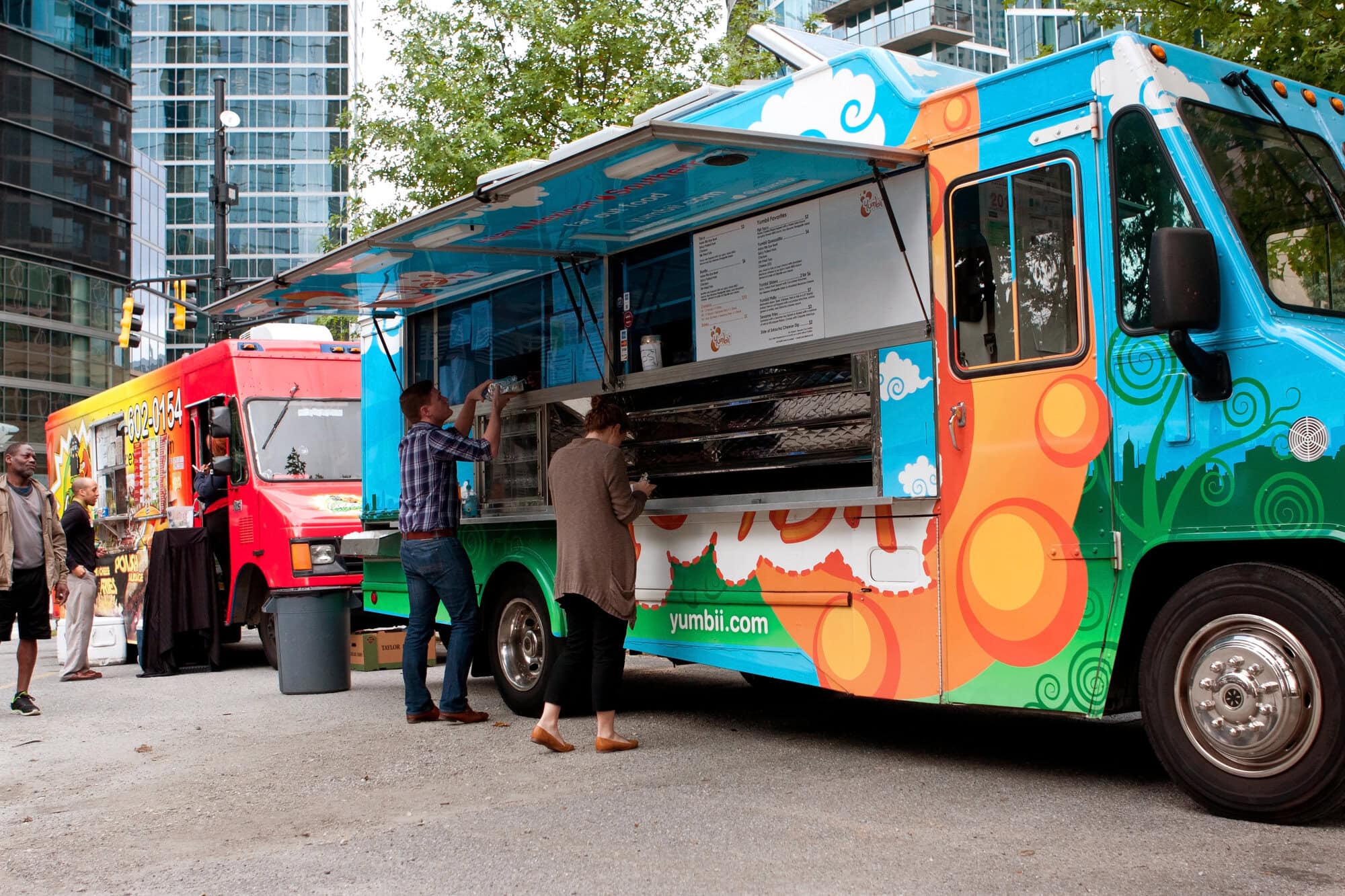
Options include food trucks, coffee carts, ice‑cream trucks, dessert trailers, smoothie stands, or mobile bakeries. A focused menu simplifies ingredient purchasing, preparation, and waste reduction. Operators must comply with local health‑department regulations, obtain necessary permits, and secure appropriate insurance and equipment.
Mobile Dog Walking and Pet Sitting
Dog walkers and pet sitters need reliable transportation, a flexible schedule, and experience with animals. Services may consist of walks, feeding, watering, litter‑box cleaning, playtime, and overnight stays while owners are away. Trust built with a few clients often leads to long‑term, repeat business.
Mobile Pressure Washing
Pressure‑washing specialists clean driveways, sidewalks, fences, decks, patios, home siding, and similar surfaces. The visual impact of before‑and‑after results makes this service easy to market. Operators must learn proper techniques to avoid surface damage and should equip themselves with a pressure washer, hoses, cleaning agents, safety gear, and a method for transporting the equipment.
How to Start a Mobile Business
Assess Your Skills and Interests
Begin by listing what you enjoy doing and where you have expertise. Whether you like working with animals, fixing mechanical issues, cleaning, cooking, teaching, or being outdoors, aligning the business with your strengths makes the startup process smoother. Consider whether you are comfortable spending part of each day driving, loading equipment, and setting up at different sites.
Research Local Demand
Before investing heavily, verify that people in your area need the service you plan to offer. Look at existing similar businesses online, read their reviews, and note common praises or complaints. Asking in neighborhood Facebook groups or community forums can also reveal interest levels. Presence of competitors does not automatically indicate a bad idea; strong booking schedules often signal healthy demand.
Start with Essential Equipment Only
Avoid purchasing the most expensive vehicle, every possible tool, branded apparel, or a elaborate website right away. Acquire only the items required to deliver your core service safely and effectively. As you gain paying customers and confirm that you enjoy the work, you can reinvest profits into better equipment, a upgraded vehicle, or additional service offerings.
Define a Service Area
Determine how far you are willing to travel and which neighborhoods or towns you will serve. Grouping clients geographically reduces drive time and fuel costs. For jobs outside your standard radius, consider adding a travel fee or setting a minimum order size to make the trip worthwhile.
Make Booking Simple
Provide an easy way for prospects to learn about your services and contact you—this could be a basic website, a Facebook page, an online scheduling tool, a phone number, or an email address. Clearly state your cancellation policy to protect your time and scheduling.
Encourage Reviews and Referrals
After each job, ask satisfied customers to leave a brief review or refer friends and family. A simple referral discount or bonus can motivate word‑of‑mouth promotion. Consistently showing up on time, communicating clearly, and delivering quality work builds trust, which leads to repeat business and new client leads.
Track Your Finances
Maintain a record of all income and expenses, including payments from customers, fuel, supplies, equipment maintenance or replacement, vehicle repairs, insurance, advertising, and any other business‑related costs. Good bookkeeping reveals profitability and simplifies tax preparation. Numerous affordable accounting tools are available for small businesses, many with mobile apps suited to entrepreneurs who spend most of their day on the road.
Frequently Asked Questions
What Defines a Mobile Business?
A mobile business operates by traveling to customers instead of relying on a fixed storefront. Services can be rendered at private residences, offices, campgrounds, marinas, events, hotels, parks, and many other venues.
Which Mobile Businesses Have the Lowest Startup Costs?
Dog walking, pet sitting, tutoring, pet‑waste removal, and mobile notary work often require the least initial investment because they can be launched with a personal vehicle and a few basic supplies. Exact costs vary by location, licensing requirements, insurance, and the specific services offered.
Which Mobile Businesses Tend to Generate the Highest Income?
Mobile RV repair, boat repair, automotive repair, food trucks, and specialized beauty or health services frequently have strong earning potential. These fields may demand more training, specialized equipment, and larger upfront expenses, but they also can command higher rates where there is sufficient local demand.
Can a Mobile Business Be Started Without a Van?
Yes. Many mobile services—such as tutoring, dog walking, pet sitting, notary work, and photography—can be run using a regular car, SUV, truck, or even a bicycle paired with a small trailer. The necessary equipment depends on the nature of the service.
How Do Mobile Businesses Attract Customers?
Owners find clients through local Facebook groups, neighborhood apps, business cards, referrals, community events, and partnerships with complementary businesses. For instance, a dog walker might connect with pet groomers, a pressure‑washer could work with real‑estate agents, and a photographer may collaborate with wedding planners or vacation‑rental managers. Positive word‑of‑mouth from happy customers often leads to additional referrals.
Conclusion
Mobile businesses offer a flexible path to entrepreneurship, allowing owners to meet customers where they are while avoiding the expense of a permanent location. By matching personal skills to a service that solves a common need, starting modestly, validating demand, and building a reputation for reliability, many individuals have turned a simple idea into a sustainable source of income. Whether the goal is supplemental earnings or a full‑time venture, the mobile model provides a practical and adaptable framework for success.