
Experian’s New Credit‑Score Model: What’s Changing in the UK
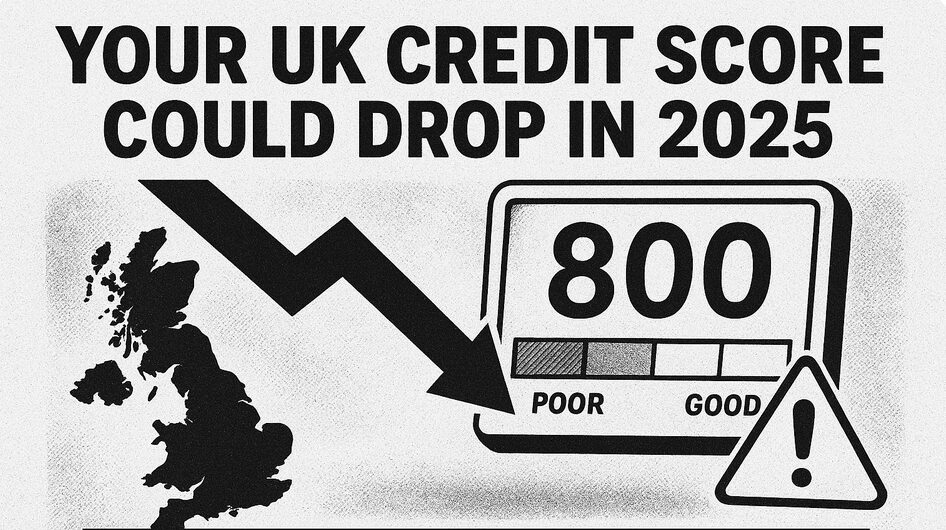
Experian is rolling out a revamped credit‑score model for UK consumers, with the first changes appearing in November 2025 and the update expected to be complete by the end of the year. The revision introduces a broader scoring range, incorporates additional everyday financial behaviours, and replaces the existing score bands with new labels.
Details of the Update
The most noticeable change is the expansion of the score range from the familiar 0‑999 scale to a 0‑1,250 scale. This gives the model more granularity to differentiate between consumers.
In addition to the traditional factors—such as payment history on loans and credit cards—the new model will now consider:
- Regular rent payments
- Frequency and size of overdraft usage
- Cash advances taken on credit cards
- Consistency of mobile‑phone or mobile‑contract payments
Experian will also introduce new score bands and descriptors, retiring the older labels such as “Poor” and “Very Poor.” The exact band names have not been disclosed, but the shift is intended to reflect a broader view of financial responsibility.
Why Scores May Shift
Although the raw data in your credit report (the information lenders see) remains unchanged, the way that data is interpreted will differ. As a result, many consumers could see their band move even if they have not altered their behaviour.
Experian’s own estimates suggest that roughly 44 % of UK customers may drop a band under the new model, while about 42 % could see an improvement. The remaining proportion is expected to stay in the same band.
Specific behaviours that are likely to trigger a lower band include:
- Heavy reliance on an overdraft
- Frequent cash advances on credit cards
- Regularly switching mobile providers
Conversely, consumers who consistently pay rent, keep overdraft use low, avoid cash advances, and maintain stable mobile contracts may benefit from the updated scoring.
What You Should Do Now
Experian advises that the changes will not affect your ability to apply for credit, because lenders still evaluate the underlying data and their own affordability checks. Nevertheless, it is sensible to stay informed and proactive.
- Check your current credit report from the major agencies (Experian, Equifax, TransUnion) to confirm that the information is accurate.
- Review your recent financial habits—particularly overdraft use, cash advances, rent payments, and mobile‑contract consistency.
- Remember that lenders look at more than just a score; they assess affordability, existing commitments, and the overall credit history.
- Maintain long‑term good habits: pay bills on time, keep credit utilisation below 30 % of your limit, stay on the electoral roll, and avoid making multiple credit applications in a short period.
- Do not assume a lower score automatically means credit rejection; the underlying data that lenders use remains the same.
The Bigger Picture
This update reflects a broader shift in how credit reference agencies evaluate consumers. While long‑standing factors such as the length of credit accounts still matter, greater weight is now placed on day‑to‑day financial behaviours—like paying rent or managing an overdraft responsibly.
For renters, younger adults, and anyone with a limited traditional credit history, the model may provide a clearer picture of reliability. At the same time, individuals who have relied on a stable score without scrutinising everyday habits may notice an unexpected shift.
Final Thoughts
If you have already been monitoring your credit file, correcting errors, and borrowing sensibly, treat this change as a refresh rather than a crisis. The new model is simply a different lens through which the same financial behaviour is viewed. For those who have paid less attention to their credit details, the update serves as a timely reminder to review and, if necessary, adjust the habits that shape your credit profile.