

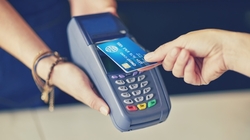

Credit Card Signatures Are Becoming a Thing of the Past
Starting in April, the four largest card networks—Visa, MasterCard, Discover and American Express—stopped requiring a signature for most in‑store purchases. This change marks the end of a practice that has been part of retail transactions for decades.
Why Signatures Are No Longer Needed
For many years, a signature was considered the primary way to verify that the person presenting the card was the legitimate account holder. Merchants kept paper receipts with the signed copy as a safeguard against disputed charges. Over time, technology introduced more reliable authentication tools such as magnetic stripes, PINs, CVV codes and, most importantly, EMV chip technology.
EMV chips store cardholder data in an encrypted microprocessor, making it extremely difficult to counterfeit a card or reuse stolen information. According to Cyndie Martini, president and CEO of Member Access Pacific, the widespread adoption of EMV chips has dramatically reduced point‑of‑sale fraud, which is why the networks feel confident dropping the signature requirement.
Benefits for Merchants and Shoppers
Eliminating the signature step speeds up checkout lines, allowing customers to leave the store faster. Merchants benefit from shorter queues and lower administrative costs because they no longer need to collect, organize and store stacks of signed receipts. Large retailers such as Walmart and Target have already moved to signature‑free transactions for the majority of their sales.
While most merchants will no longer ask for a signature, some may still request one for high‑value purchases or ask to see a photo ID as an additional verification step. Cardholders who want to encourage ID checks can write “see I.D.” on the back of their cards.
What Consumers Should Do to Stay Safe
The disappearance of the signature does not change the fundamental practices that keep credit cards and personal information secure. Experts recommend the same precautions that have long been advised by the Federal Trade Commission and industry professionals:
- Never give out your account number to an unsolicited caller; only share it when you have initiated the call with a reputable company.
- Carry only the cards you need and keep the rest in a secure place to limit loss if your wallet is stolen.
- Keep your card in sight during every transaction; do not let a cashier or server walk away with it.
- Save receipts and regularly review your statement to spot any unauthorized charges.
- Report suspicious activity to your card issuer immediately.
- Notify your issuer if you move or plan to travel so they can monitor your account for unusual patterns.
- Avoid writing card numbers or other personal details where others could see them.
- If your card is lost or stolen, contact the issuer right away to have it cancelled and replaced.
Martini also reminds cardholders who have not yet received an EMV‑enabled replacement card to contact their issuer; most providers will send a new chip card upon request.
The Road Ahead
Smaller shops may continue to ask for signatures while they update their point‑of‑sale systems and train staff. However, as more merchants adopt the latest technology, the signature line on receipts will become increasingly rare. In the near future, signing for a credit card purchase may be something only remembered from older receipts, much like the carbon‑copy imprinters of the past.




