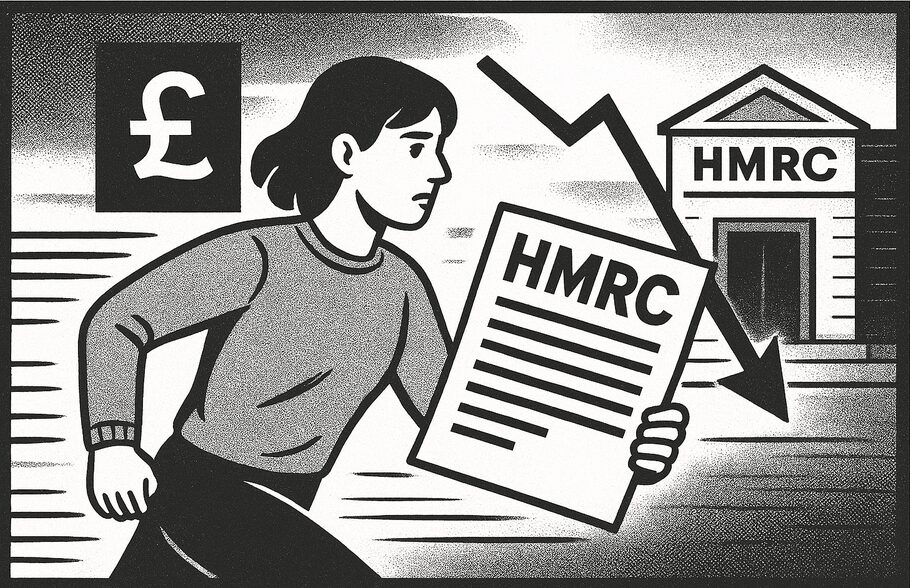

Understanding the Rise of Side Hustles and HMRC’s New Rules
Side hustles have moved from occasional hobbies to a core part of many household budgets. As living costs rise, more people turn to extra‑earning activities to bridge the gap between wages and expenses. Digital platforms have made it easier than ever to monetise skills, creativity and assets, but this growth has also attracted the attention of HM Revenue & Customs.
What Counts as a Side Hustle?
A side hustle is any activity that generates income outside of your main job. Common examples include:
- Selling goods on Vinted, eBay, Depop or Etsy
- Offering services such as tutoring, babysitting, cleaning, driving or pet‑sitting
- Freelance work like writing, design or consulting
- Creating content on TikTok, Instagram or YouTube
- Renting out a room, driveway or property
If you earn more than £1,000 from these activities in a tax year, HMRC considers you to be trading and you may need to declare the income. Occasional sales of personal items (for example, clearing out a wardrobe) usually fall below this threshold, but regular buying with the intent to resell does not.
Why More People Are Side‑Hustling
The surge is driven by economic pressure. Stagnant wages and rising costs have pushed millions to seek additional income streams. Social media and online marketplaces have lowered the barriers to entry, allowing anyone with a skill or hobby to start earning. As traditional employment becomes less predictable, side hustles often provide the financial buffer that keeps households afloat.
The New HMRC Rules: What’s Changing?
HMRC has introduced several measures to bring the digital economy into the tax net:
- Trading allowance remains £1,000 – you can earn up to this amount gross each tax year without needing to report it.
- Platform reporting – digital marketplaces and social platforms now share sellers’ and creators’ earnings data with HMRC under international data‑sharing agreements.
- Nudge letters – HMRC is sending letters encouraging voluntary disclosure of undeclared side‑hustle income.
- Potential penalties – failing to declare income above the allowance can lead to backdated tax, interest and fines.
- Discussion of a higher threshold – ministers have raised the possibility of increasing the allowance to £3,000, but no change has been confirmed yet.
Why HMRC Is Clamping Down
The agency says its focus is on visibility and fairness, not on penalising small earners. Billions of pounds flow through online platforms each year, and HMRC wants to ensure that the tax base reflects this growing digital economy. Whether you sell handmade crafts, create digital content or rent out space, understanding your tax obligations is essential.
What You Should Do Now
To stay compliant and avoid surprises, follow these steps:
- Calculate your total income from all side‑hustle activities for the 2024/25 tax year.
- If you expect to exceed £1,000, register for Self Assessment.
- Maintain receipts and records of any business‑related expenses.
- Track non‑cash income such as gifts, free products or brand collaborations.
- File your tax return by 31 January 2026.
- Keep an eye on updates from HMRC and trusted sources like MoneyMagpie, as guidance may evolve.
HMRC’s “Tax Help for Hustles” campaign provides plain‑English advice on whether you need to declare your side‑hustle earnings.
Influencers and Gifted Products
Lee Murphy, Managing Director of The Accountancy Partnership, notes that influencers should treat any gifted product received in exchange for a post as income. He advises honesty with HMRC, because potential fines can easily outweigh the value of the free items.
Final Thought
The side‑hustle economy shows no sign of slowing, and HMRC’s scrutiny is increasing alongside it. By tracking your earnings, knowing the current thresholds and seeking professional advice when needed, you can turn your passion into a sustainable income stream while staying on the right side of the tax man.