
Understanding Credit Card Basics
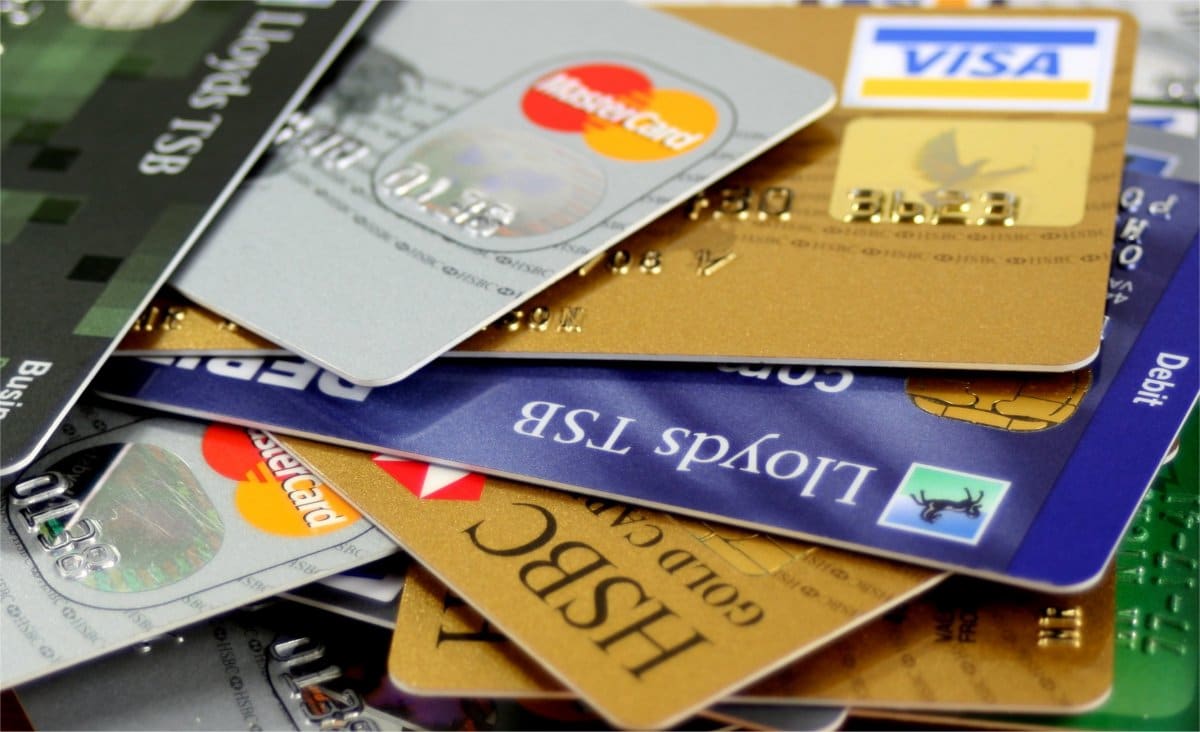
Credit cards are a common tool for managing larger purchases such as holidays, furniture or car repairs when a monthly wage alone may not cover the cost. While they offer convenience, the variety of card types and associated offers can make them seem confusing at first.
What Are Interest Rates?
Interest is the cost you pay for borrowing money. With a credit card, interest is applied to any balance you carry from month to month. The larger the outstanding balance, the more interest you will accrue. Each card carries its own rate, so seeking a low‑interest option helps reduce the expense of borrowing.
Balance Transfers Explained
A balance transfer moves the existing debt from one credit card to another. This can consolidate multiple balances into a single account and often reduces the interest paid, especially when the new card offers a 0 % introductory period.
Best Balance Transfer Offers
The most attractive deals combine a lengthy 0 % interest window (typically a year or longer) with little or no balance‑transfer fee. Remember that any fee charged is usually treated as a purchase, meaning interest will start accruing on that amount from the transfer date, although the fee itself is far smaller than the full debt.
You must continue to make at least the minimum monthly payment during the 0 % period. To maximise the benefit, aim to repay the entire balance before the introductory rate expires, thereby avoiding higher interest charges once the promotional period ends.
Key takeaways:
✅ Ideal for creating breathing space from high‑interest debt.
✅ Look for long 0 % periods and low or zero transfer fees.
✅ Repay the full balance before the 0 % window ends to prevent costly interest.
Cashback Rewards
Cashback programs give you a percentage of your spending back as a rebate. For example, you might earn £1 for every £100 spent. While this can feel like a bonus, it only makes sense if you would have made the purchase anyway; spending extra just to earn cashback often costs more in interest than the reward is worth.
Many cardholders boost their earnings by pairing credit‑card cashback with dedicated cashback websites.
Key takeaways:
✅ Earn a set percentage back on eligible purchases.
✅ Use only if you have the discipline to avoid unnecessary spending.
✅ Some cards let you convert cashback into air miles, which suits frequent travellers.
Interest‑Free Periods on Purchases
An interest‑free purchase period allows you to buy items and pay no interest for a set time, usually just under two months. The benefit disappears once the period ends, at which point the standard rate applies to any remaining balance.
To make the most of this feature, clear the full amount before the interest‑free window closes.
Key takeaways:
✅ No interest charged on purchases during the offer period.
✅ Pay off the balance in full before the period expires.
✅ Helpful for short‑term, larger expenses such as furniture, provided you track the deadline.
Travel Miles (Air Miles)
Travel‑mile rewards partner credit cards with airlines. Each pound spent earns points that can be redeemed for flight upgrades, companion tickets, lounge access or hotel stays. The value of these miles depends on the airline’s program and any restrictions on transferability.
This incentive is most worthwhile if you regularly fly or have a planned trip; otherwise, the miles may go unused.
Key takeaways:
✅ Suited to frequent travellers or those with a future trip in mind.
✅ Miles are often locked to specific airlines or alliances and cannot be transferred elsewhere.
✅ Some travel‑reward cards carry higher interest rates, so weigh the benefits against potential costs.
Credit Rebuilder Cards
If a poor credit history has made it difficult to obtain a standard credit card, a rebuilder card can provide a path forward. These cards are generally easier to qualify for and are designed to help users improve their credit scores over time. They often carry higher interest rates, so paying the balance in full each month is essential to avoid costly charges.
Key takeaways:
✅ Useful when other credit options are unavailable due to past debt or low scores.
✅ High interest rates demand full‑monthly repayment to keep costs low.
✅ Responsible use can gradually restore a healthier credit profile.
When to Consider a Credit Card
Before applying, ask yourself whether you can comfortably afford the repayments. If your income is irregular or you doubt your ability to meet the minimum monthly payment, taking on credit may lead to financial strain.
Consider the following questions:
What purpose will the card serve? Is it for a specific, essential purchase you cannot delay?
How much will the purchase cost, and what balance will that create on the card?
What will the minimum monthly repayment be?
Can you reliably meet that payment each month?
Answering these questions helps you decide if a credit card is appropriate and how you will manage the debt responsibly.