A Practical Guide to Debt Management
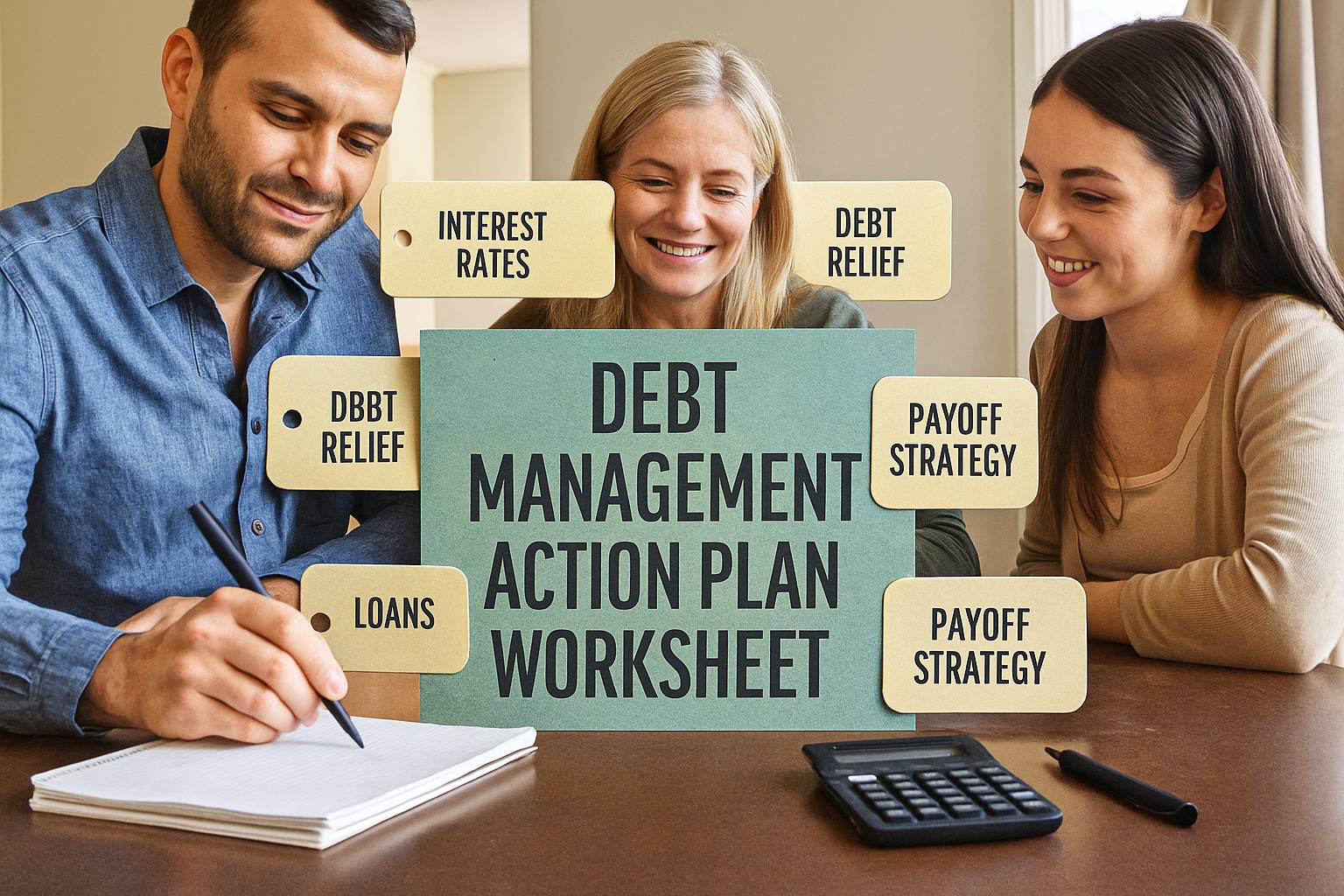
How to Regain Control: A Practical Guide to Debt Management
Debt can be a heavy burden — emotionally, financially, and mentally. But the good news is: with a sound plan and disciplined steps, you can manage it — and eventually become debt-free. In this post, we’ll walk through actionable strategies you can use right now to put your debt back in check.
Why Effective Debt Management Matters
Before diving into tactics, it’s worth reflecting on why this is crucial:
- Interest drag: Debt, especially high-interest debt like credit cards, compounds against you. The more time it lingers, the more you pay in interest rather than principal.
- Credit score impact: High balances, late payments, or defaults all hurt your credit rating, which can affect borrowing costs in the future (mortgages, auto loans, etc.).
- Stress and opportunity cost: Debt limits your financial flexibility. Money you could use for saving, investing, or enjoying life instead gets siphoned to interest payments.
Step 1: Get a Clear Picture of What You Owe
You can’t manage what you don’t measure. Do the following:
- List all debts
- Creditor name
- Total balance owed
- Interest rate (APR)
- Minimum monthly payment
- Due dates
- Check statements and recent repayments
Confirm that balances are accurate, note any fees or penalties, and track how much of your payment is going toward interest vs principal. - Compute your “debt load ratio”
Divide your total monthly debt payments (minimums) by your net monthly income. This ratio helps you see how much of your income is already claimed by debt.
Step 2: Rank and Prioritize Your Debts
Two common strategies exist to organize repayment:
| Strategy | How it works | Pros / When to use it |
|---|---|---|
| Snowball method | Pay off the smallest balance first, then roll that payment into the next smallest debt, etc. | Good for motivation — you see “wins” early. |
| Avalanche method | Tackle the highest-interest debt first, then the next highest, etc. | Minimizes total interest paid over time. |
You might choose snowball if you need psychological boosts. Choose avalanche if your priority is cost efficiency.
Step 3: Free Up Extra Cash to Pour Into Debt
To accelerate repayment, you’ll want to find every extra euro you can redirect toward debt:
- Trim discretionary spending — subscriptions, dining out, entertainment.
- Reconfigure your budget — shift more toward debt payoff categories.
- Generate additional income — freelance side gigs, selling items you no longer use.
- Refinance or consolidate (with caution) — consider combining multiple high-interest debts into a single lower-rate loan, but always read the fees and fine print.
Step 4: Negotiate with Creditors
Often overlooked, negotiation can yield real relief:
- Ask for lower interest rates
Call your credit card company or lender and request a reduced APR, citing your payment history and willingness to stay current. - Request hardship programs
In times of financial strain (job loss, medical bills), ask creditors whether they offer temporary relief — lower payments, deferred payments, or forbearance. - Explore debt settlement (as a last resort)
For unsecured debts, some creditors may accept a lump sum lesser than the full balance. Be aware: this can negatively affect your credit, and tax authorities may require you to declare forgiven debt as income.
Step 5: Automate & Monitor
- Set up automatic payments — at least the minimums (or more if you can) to avoid missed dues and late fees.
- Track progress monthly — update your debt list and see how balances are shrinking.
- Celebrate milestones — paying off one account, cutting interest by a certain amount — small wins help maintain motivation.
Common Pitfalls & How to Avoid Them
| Pitfall | Why it happens | Mitigation |
|---|---|---|
| Ignoring smaller debts | They seem insignificant | Use the snowball method or include them in consolidation plans |
| Racking up new debt | Without a behavior change, you may repeat the cycle | Freeze or close nonessential credit cards, move to cash/debit when possible |
| Over-extending on consolidation | Fees, longer terms, or variable rates may backfire | Read all terms carefully, run the numbers, and avoid high fees |
| Giving up too soon | It’s a marathon, not a sprint | Track your “distance run” and remember how far you’ve come |
When to Seek Professional Help
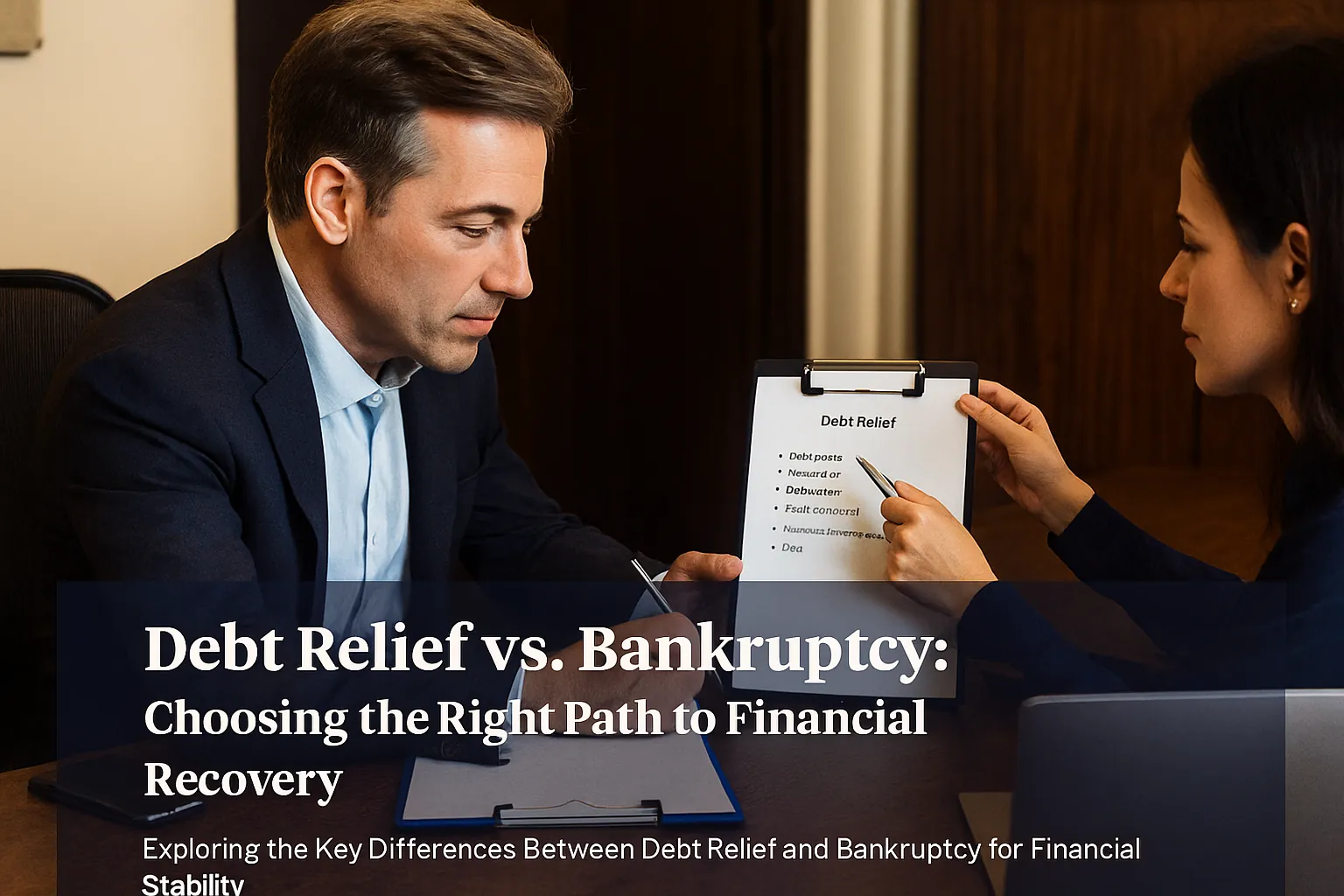
If your debt is overwhelming — e.g. you’re behind on many payments, creditors are calling, or you’re considering bankruptcy — professional support can help:
- Credit counseling agencies — nonprofit organizations that can help you develop a debt management plan and even negotiate with creditors.
- Debt settlement firms — companies that negotiate with creditors on your behalf (use with caution).
- Bankruptcy attorneys — as a legal last resort, to explore options like Chapter 7 or Chapter 13 (or your country’s equivalent).
Final Thoughts & First Steps for You
Debt doesn’t vanish overnight. It requires a consistent, disciplined approach. But you can take control with clarity, commitment, and the right tools.
Your action items today:
- Write a complete list of all your debts (balances, rates, minimums).
- Choose your repayment method (snowball vs avalanche).
- Identify at least one place you can cut spending or increase income to apply to debt.
- Call one creditor and ask whether they’d offer you a reduced interest rate (it can’t hurt to try).
- Automate your payments and set a monthly checkpoint to track progress.
Share this content:












Post Comment
You must be logged in to post a comment.