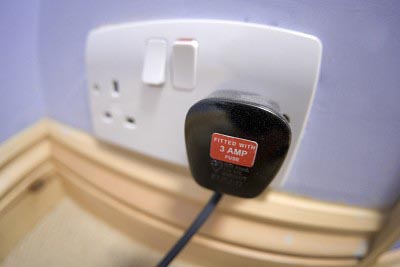

VAT removal from electricity bills announced
The UK government has confirmed that the value‑added tax charged on qualifying domestic electricity will be cut from 5% to 0% starting 1 October 2026. The change is part of Prime Minister Andy Burnham’s first major cost‑of‑living initiative and is intended to lower household energy costs without requiring households to apply for a rebate.
What the change means for your bill
Because VAT is already included in the unit rate and standing charge on your electricity bill, removing it will reduce the total amount you pay. The government estimates that the average household will see a saving of about £45 per year, which works out to roughly £3.75 each month or 87p per week.
Why the saving is not a full 5% cut
When a price already contains VAT at 5%, the VAT element is calculated as the total multiplied by 5 and divided by 105. Removing the tax therefore lowers the VAT‑inclusive price by approximately 4.76%, not 5%. For example, a current annual electricity charge of £1,000 would fall to about £952.38 after the VAT removal, assuming all other components of the tariff stay unchanged.
Who will benefit
The reduction applies to all eligible domestic electricity customers, including those on fixed, variable and qualifying prepayment tariffs. Suppliers are expected to apply the new 0% rate automatically, so no application or separate claim is needed from households. The measure does not extend to gas bills, which will continue to carry the 5% VAT rate.
Cost to the government and funding
Implementing the VAT cut is projected to cost around £850 million in the financial year 2026/27. The government says this expense will be covered by cancelling the planned Digital ID programme.
Impact on inflation and Northern Ireland
Analysts estimate that the tax reduction will lower the Consumer Prices Index by about 0.10 percentage points. In Northern Ireland the situation differs because of post‑Brexit VAT arrangements; the UK government notes that an EU agreement would be required to apply the cut directly there. Instead, the Northern Ireland Executive will receive comparable funding to deliver equivalent cost‑of‑living support.
What households should do
Although no action is required to receive the saving, it is sensible to verify that the change has been applied correctly. Take a meter reading near 1 October 2026, keep a record, and check the VAT section of your next electricity statement. Compare the unit rate and standing charge before and after the date, and contact your supplier if the bill appears incorrect. Remember that the reduction applies only to the electricity portion of a dual‑fuel bill.
Considerations and limitations
The £45 figure is an average; actual savings will depend on your electricity consumption, tariff, payment method, region and meter type. Higher users will see a larger cash reduction, while low‑consumption households will save less. The benefit could be offset if wholesale electricity prices or other bill components rise after the VAT change. For some households, switching to a cheaper tariff may deliver greater savings than the VAT cut alone, though any switch should consider exit fees, contract length and service quality.
Conclusion
Removing VAT from electricity is a concrete step that will leave eligible households paying less than they otherwise would. While the average annual saving of £45 is welcome, it is modest in the context of overall energy costs. The policy can be viewed as an initial move; its long‑term significance will depend on whether the government follows up with further reforms to electricity pricing, standing charges, energy debt and the underlying cost of power.