

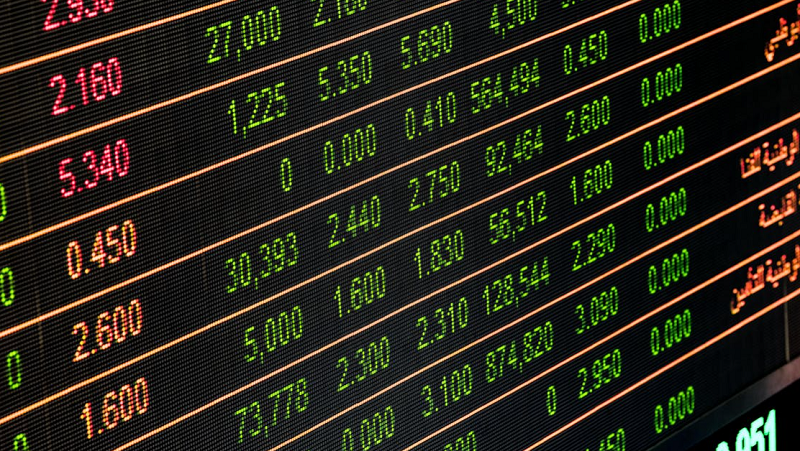

Why Speed Matters in Modern Trading
Successful investors often credit research, patience, or intuition for their results, yet few highlight how quickly they can act on a signal. In today’s algorithm‑driven markets, the lag between spotting an opportunity and executing a trade can determine profit or loss.
Markets Move Faster Than Many Traders Expect
The era of floor‑based trading is long gone. Prices now shift in milliseconds, a reality well known to institutional and high‑frequency participants who have built entire infrastructures around low latency. Retail traders frequently overlook that they are competing in the same rapid environment.
When earnings reports drop, central banks announce policy changes, or geopolitical events surprise the market, prices can be re‑priced almost instantly. Hesitation of even a fraction of a second can push entry prices higher or cause a trade to be missed entirely, gradually eroding returns through slippage.
The Decision‑Execution Gap
Speed is not only relevant for day traders; anyone actively managing a portfolio feels its impact. Rebalancing a position, cutting a loss, or scaling into a winning trade all hinge on how fast an order reaches the exchange.
A platform that minimizes the time between decision and execution does more than simply look fast. It delivers real‑time data, low‑latency charting, and instant order submission, removing friction at every step of the trading process.
Why Retail Traders Overlook Execution Quality
Poor execution is invisible. No notification tells you that you lost a trade by three‑tenths of a second, so the connection between a sluggish platform and missed profit often goes unnoticed.
Many traders devote considerable effort to refining entry signals, analysing news catalysts, and sizing positions, yet they neglect the underlying technology that carries those decisions to market. The result is a well‑researched idea undermined by slow execution—akin to training for months and showing up in the wrong shoes.
Speed’s Role in Volatile Markets
When volatility spikes—think flash crashes, unexpected rate moves, or sudden geopolitical shocks—liquidity can dry up and spreads widen. In these moments, a delayed order may not fill at all, turning a potential opportunity into a missed chance.
The fastest online trading platforms shine during such periods. Their robust infrastructure, accelerated data feeds, rapid order routing, and responsive interfaces provide measurable improvements in fill quality and overall performance.
Putting Speed Into Your Trading Strategy
Optimising for speed involves concrete, practical steps:
Choose a broker or platform known for reliable performance during peak traffic times.
Prepare order templates with preset stop‑loss, take‑profit levels, and position sizes so you can act instantly when a setup appears.
Spend time testing the platform in calm conditions to learn its quirks before you need to rely on it under stress.
Combining swift execution with sound analysis ensures that your decisions translate into effective actions.
The Competitive Edge You Can’t Ignore
Execution speed is an advantage that is readily attainable yet frequently ignored. While most traders focus on what to buy or sell, the market increasingly rewards those who can act fastest. In an environment where milliseconds dictate outcomes and volatility creates fleeting windows of opportunity, integrating speed into your trading process is not optional—it’s essential for staying ahead.




