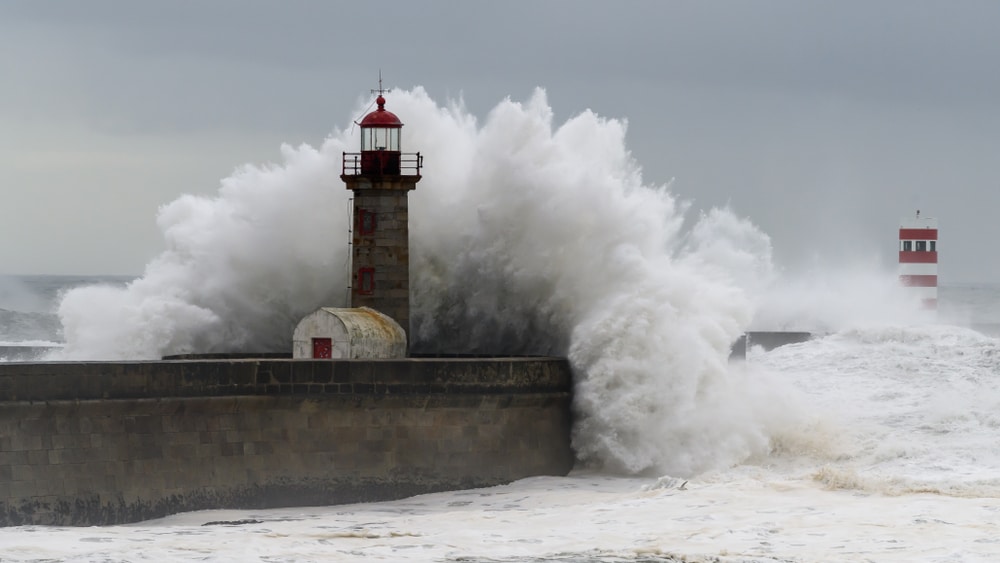

Understanding Storm Damage and Home Insurance
When powerful winds sweep across the UK, the aftermath can include fallen trees, damaged roofs, broken fences and flooding. Knowing whether your home insurance will cover these losses is essential for a smooth recovery.
What counts as storm damage?
Insurers generally define a storm as a period of violent winds, often accompanied by rain, hail or snow. While the Financial Ombudsman offers this definition, individual policies may interpret the term slightly differently. Most standard home and contents policies cover damage caused by:
- Water ingress from heavy rain or melting snow
- Lightning strikes
- Roof tiles or slates blown off
- Falling trees, branches or other debris
Some policies exclude external structures such as fences, hedges, gates or sheds, and may limit coverage to the main building only. Always check the wording of your contract to see what is included.
Steps to take after a storm
If you need to file a claim, acting quickly and methodically helps the process:
- Contact your insurer as soon as possible. A brief call can clarify what information they need and give you guidance on next steps.
- If emergency repairs are required—for example, to stop a burst pipe or board up a broken window—keep all receipts. These costs may be reimbursed as part of your claim.
- Document the damage. Take clear photos and videos from multiple angles, noting the date and time on each file. The more evidence you provide, the faster the claim can be assessed.
- Leave damaged items in place until the insurer advises otherwise, as moving them could affect the assessment.
What insurers examine when assessing a claim
Providers typically ask three core questions, as outlined by the Financial Ombudsman:
- Did storm conditions occur on or around the date the damage is said to have happened?
- Is the claimed damage consistent with what is normally seen from a storm?
- Was the storm the main cause of the damage, or could other factors (such as poor maintenance) have contributed?
To answer these, insurers may review:
- Official weather reports for the time and location of the incident
- The specific language of your policy
- The pre‑storm condition of the property (e.g., blocked gutters, worn roofing)
If the property showed signs of neglect—such as clogged drains that led to water ingress—the insurer might argue that lack of maintenance, not the storm, caused the loss.
How to protect your property before the next storm
Preventive maintenance not only reduces risk but also strengthens your position if you need to claim:
- Clear gutters and downspouts at least twice a year, and check them after heavy rainfall.
- Inspect the attic for signs of water intrusion or condensation.
- Look for loose or damaged roof tiles and replace them promptly.
- Trim shrubs and trees regularly to minimise the chance of branches breaking off.
- Remove any climbing plants growing on exterior walls.
- Survey trees near your home and cut back limbs that could fall on the building during high winds.
What to do if your claim is rejected
A denied claim can be frustrating, but you have options:
- Review your policy carefully. Highlight any clauses that support your case and note any ambiguous or confusing wording.
- Gather additional evidence if the insurer cited insufficient proof—more photos, repair estimates, or expert reports can help.
- Contact your provider again, presenting the new information and asking for a reconsideration.
- If the insurer remains unwilling to negotiate, follow their formal complaints procedure. Every company must have a clear process for handling disputes.
- Should the complaint not resolve the issue, you can escalate the matter to the Financial Ombudsman Service, which offers an independent review.
By staying informed, documenting damage thoroughly, and maintaining your home, you improve the likelihood that storm‑related losses will be covered when you need them most.