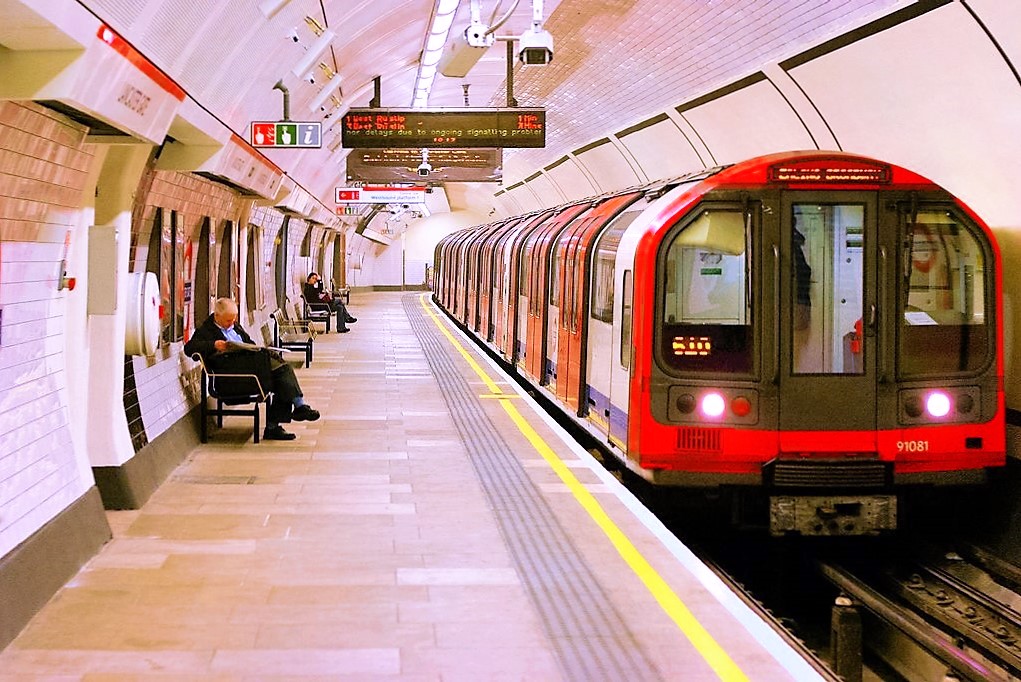

When are the Tube strikes happening?
The current industrial action affecting the London Underground runs from midday on Tuesday 21 April until midday on Friday 24 April. During this period services are expected to be severely reduced, with some lines seeing no trains at all.
This walkout is the first in a series of planned strikes scheduled for the spring and early summer. Additional dates that have been announced include:
- 21 – 22 April
- 23 – 24 April
- 19 – 20 May
- 21 – 22 May
- 16 – 17 June
- 18 – 19 June
Because negotiations can evolve, it is advisable to check the latest service information the night before travel and again on the day of your journey.
Which lines are most affected?
Transport for London (TfL) has warned that the entire Underground network will experience disruption, but specific sections are expected to have no service:
- Piccadilly line – no trains running
- Circle line – no trains running
- Metropolitan line – no service between Baker Street and Aldgate
- Central line – no service between White City and Liverpool Street
Even on lines that remain operational, trains will be less frequent and considerably busier, making boarding the first arriving train uncertain.
What are the best alternative routes?
When the Tube is unreliable, commuters often need to combine several modes of transport. The following options are expected to run normally, although they may be crowded:
Elizabeth line
Ideal for east‑to‑west journeys across the capital. It is not part of the strike action but will likely see higher passenger numbers.
London Overground and DLR
Both networks should operate on their usual timetables. Breaking a trip into stages using these services can reduce the need for expensive taxis.
Buses
Most bus routes remain in service, though a few Stagecoach services in east London may face separate strike action. Journey times can increase due to higher road traffic.
National Rail
For some commuters, a train to a mainline station followed by a short walk, bus or bike ride can be a viable fallback.
Walking and cycling
If the distance is manageable, walking or cycling can be quicker than waiting for multiple delayed buses and can also save money.
How to minimise costs during a strike
Strike days can quickly inflate travel expenses, but a few practical steps can help keep spending under control:
- Check alternative rail options before resorting to a taxi or ride‑hail app.
- Leave home earlier if your schedule allows; off‑peak travel often means lower fares and less crowding.
- Ask your employer about the possibility of working from home, shifting hours, or swapping shifts.
- Combine errands or meetings to limit the number of separate trips you need to make.
- Carry snacks and water to avoid impulse purchases while you’re on the move.
- If further strike dates are expected, set aside a small budget in advance to cover unexpected travel costs.
Can you claim compensation for strike‑related delays?
Under normal circumstances, TfL offers service‑delay refunds for journeys delayed by more than 15 minutes on the Underground and DLR, or more than 30 minutes on the Overground and Elizabeth line. However, the operator explicitly states that these refunds do not apply when the delay is caused by industrial action such as a strike. Its Conditions of Carriage note that service‑delay refunds are suspended during strike action.
Therefore, for most passengers using Oyster or contactless payment, strike‑induced delays will not qualify for a refund. The only possible reimbursements relate to unused or refundable tickets under their own terms, not to the inconvenience caused by the strike itself.
What is the real financial impact on commuters?
The cost of a Tube strike goes beyond the price of an extra bus or taxi fare. For many people, the effects ripple into other areas of their budget:
1. Higher travel costs
A typical Tube journey may need to be replaced by a combination of train, bus and taxi, quickly pushing daily transport expenses well above the usual fare.
2. Lost earnings
Hourly‑paid staff, gig workers, freelancers and anyone whose income depends on being present at work can lose pay if they arrive late, miss a shift or have to cancel a job entirely.
3. Childcare and school‑run expenses
Disrupted travel can force parents to arrange last‑minute childcare or take unpaid time off, adding unexpected costs to the household budget.
4. Food and convenience spending
Longer journeys often lead to extra purchases—coffee, meal deals, snacks—whose small individual amounts accumulate over several strike days.
5. Stress‑driven spending
When travellers are rushed or frustrated, they are more likely to opt for a costly quick fix (e.g., a premium taxi) instead of spending a few minutes to find a cheaper alternative.
As Vicky Parry of MoneyMagpie notes, these hidden costs can “quietly blow a hole in your weekly budget,” particularly for those with little financial flexibility.
Advice for airport travel during strikes
If you need to reach an airport, do not rely on your usual Tube route. Allow considerably more time than normal and consider alternatives such as:
- National Rail services to stations like Paddington, King’s Cross or Stratford, followed by a shuttle or bus.
- The Elizabeth line, which connects directly to Heathrow.
- National Express or other coach services that operate independently of the Underground.
Checking the latest service updates before you set out is essential, as strike‑related changes can affect even these backup options.
Why are the strikes taking place?
The current dispute centres on Transport for London’s proposal to introduce a four‑day working week for train operators. TfL says the change would be voluntary, would not reduce contractual hours, and aims to improve flexibility and reliability. The RMT union has opposed the plan, leading to the series of walkouts announced for April through June.
For passengers, the specifics of the labour disagreement are less relevant than the practical outcome: even a “reduced service” across the Tube network can turn a routine commute into a costly and stressful ordeal.