

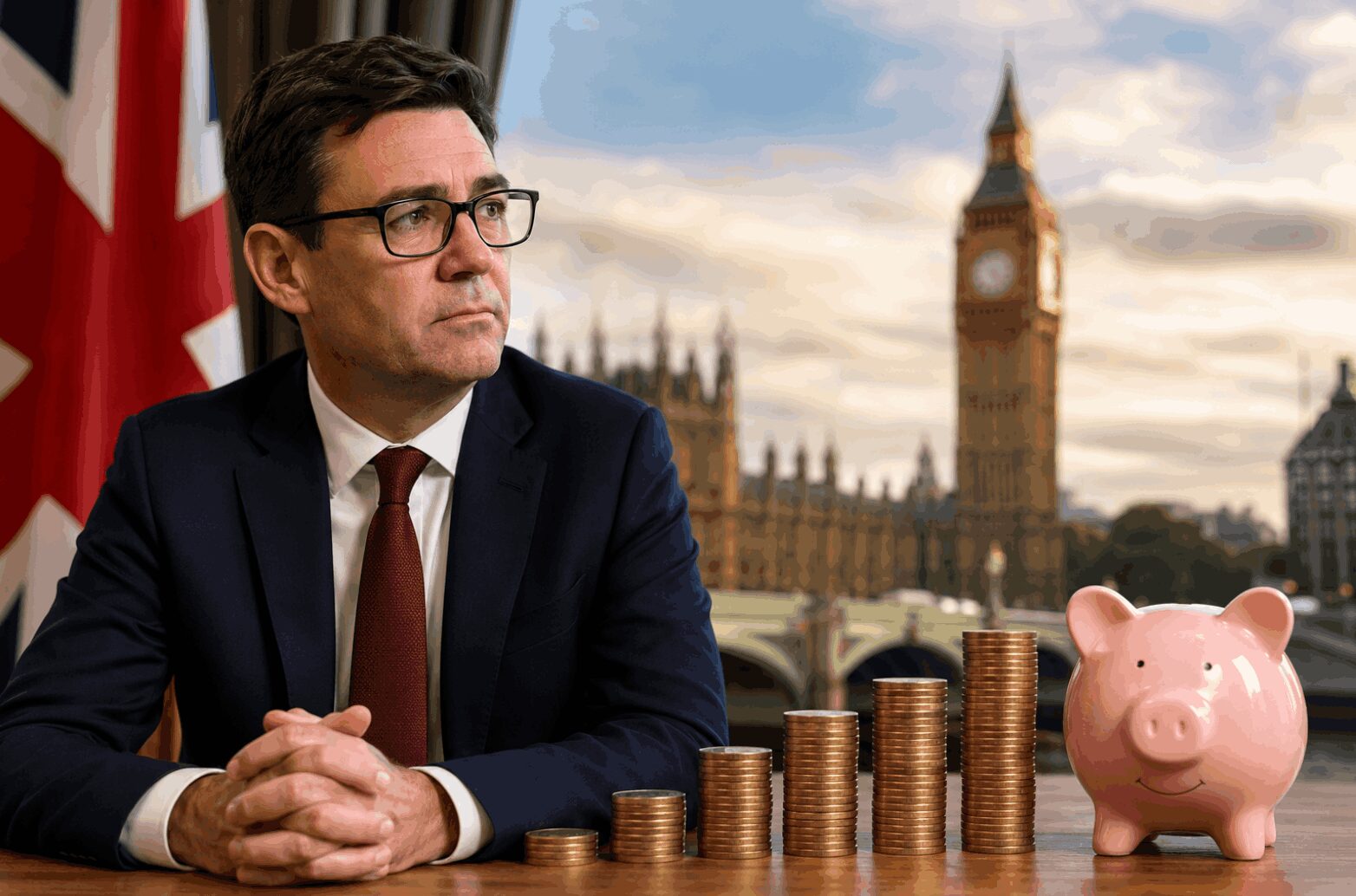

Andy Burnham becomes Prime Minister – what it means for your Income Tax
Andy Burnham took office as the United Kingdom’s Prime Minister on 20 July 2026, succeeding Sir Keir Starmer. A change of leader often raises questions about whether the money taken from your pay packet will shift, especially when it comes to Income Tax.
Has the Prime Minister’s appointment changed Income Tax rates?
No. The moment Burnham entered Downing Street, the headline rates of Income Tax stayed exactly the same. The government has not announced any immediate adjustment to the 20 %, 40 % or 45 % bands, and the existing thresholds continue to apply.
What are the current Income Tax bands for 2026/27?
For taxpayers in England, Wales and Northern Ireland the Personal Allowance and the three main rates are:
- Personal Allowance: £0 – £12,570 – taxed at 0 %
- Basic rate: £12,571 – £50,270 – taxed at 20 %
- Higher rate: £50,271 – £125,140 – taxed at 40 %
- Additional rate: over £125,140 – taxed at 45 %
Scotland sets its own bands and rates, so Scottish taxpayers should refer to the Scottish Income Tax schedule.
Could you end up paying more tax even if the rates stay the same?
Yes. The phenomenon known as fiscal drag means that when wages rise faster than the tax thresholds, a larger slice of your income becomes taxable or gets pushed into a higher‑rate band. For example, someone earning just below the higher‑rate threshold who receives a pay rise that pushes part of their salary above £50,270 will start paying 40 % on that extra slice, even though the 40 % rate itself has not changed.
A simple illustration
Imagine an employee whose gross salary is £49,000. They pay tax only on the amount above the Personal Allowance, so £36,430 is taxed at 20 %. A £3,000 raise takes their salary to £52,000. Now £39,430 falls in the basic‑rate band (20 %) and £2,570 falls in the higher‑rate band (40 %). Their total tax bill rises, despite the rates staying unchanged.
Will your take‑home pay change straight away because of the new Prime Minister?
For most employees, the amount deducted via PAYE will not shift merely because the person in Number 10 has changed. Your payslip could still vary for other reasons, such as:
- receiving a pay rise, bonus or overtime
- a change to your tax code
- starting or ending taxable workplace benefits
- having more than one job or pension
- adjustments to your Personal Allowance
- new measures announced in a Budget or fiscal statement
What about National Insurance?
Income Tax and National Insurance are separate deductions. A decision (or lack of decision) on Income Tax does not automatically protect National Insurance rates or thresholds. When the new government sets out its fiscal plans, workers should keep an eye on both contributions.
When will we know more about the government’s tax intentions?
The clearest signals will arrive when the Prime Minister and the Chancellor publish detailed tax and spending plans. Key moments to watch include:
- the appointment and first statements of the Chancellor
- the next Budget or fiscal statement
- any announcements concerning the Personal Allowance
- proposed changes to the basic‑ or higher‑rate thresholds
- reforms to tax reliefs, salary‑sacrifice arrangements or self‑employment taxation
- potential adjustments to National Insurance
Until a measure is formally announced and enacted, the existing rules continue to apply.
Should you make any financial moves now?
Making a major financial decision solely because a new Prime Minister has taken office is generally unwise. However, a few prudent housekeeping steps can help you stay prepared:
- verify that your tax code is correct
- review your workplace pension contribution levels
- keep records of allowable work‑related or self‑employment expenses
- check whether you are eligible for Marriage Allowance or other tax reliefs
- wait for confirmed policy before acting on speculation about future tax changes
The bottom line
Andy Burnham’s arrival at Downing Street has not, by itself, altered the Income Tax you pay. The current rates and thresholds remain in force. The real question is what his government chooses to do with those thresholds, allowances and related rules in the months ahead. The first detailed Budget or fiscal statement will be the key moment for taxpayers to see whether their take‑home pay will stay the same, increase or decrease.




